Monday Morning Masonic Facts - pt10

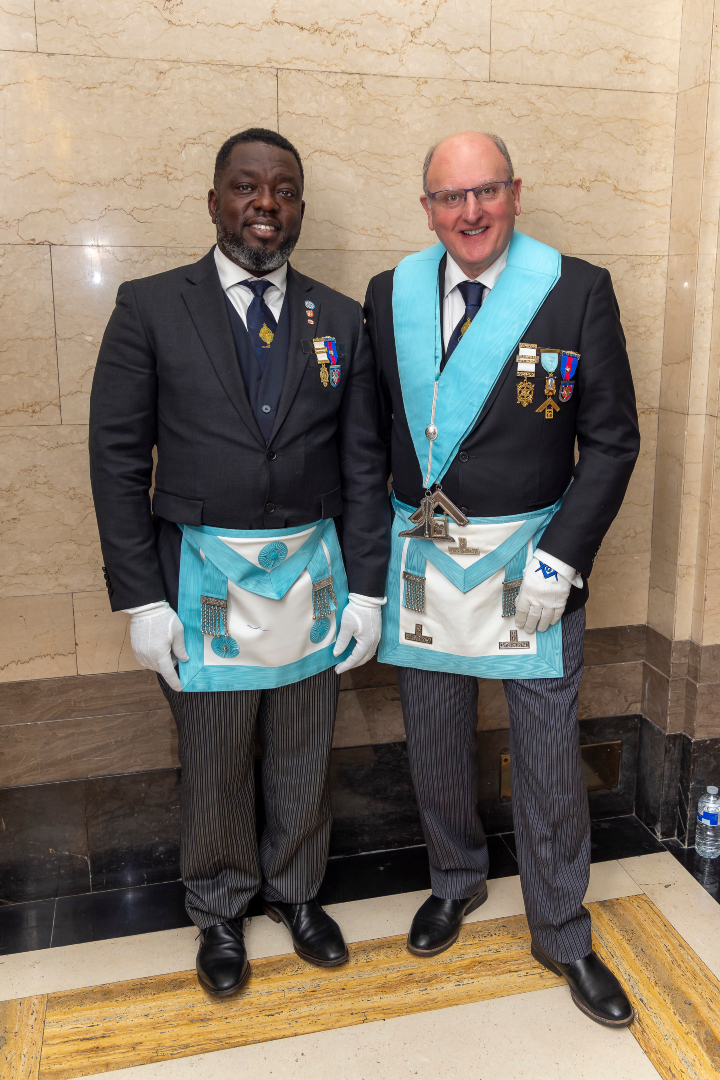
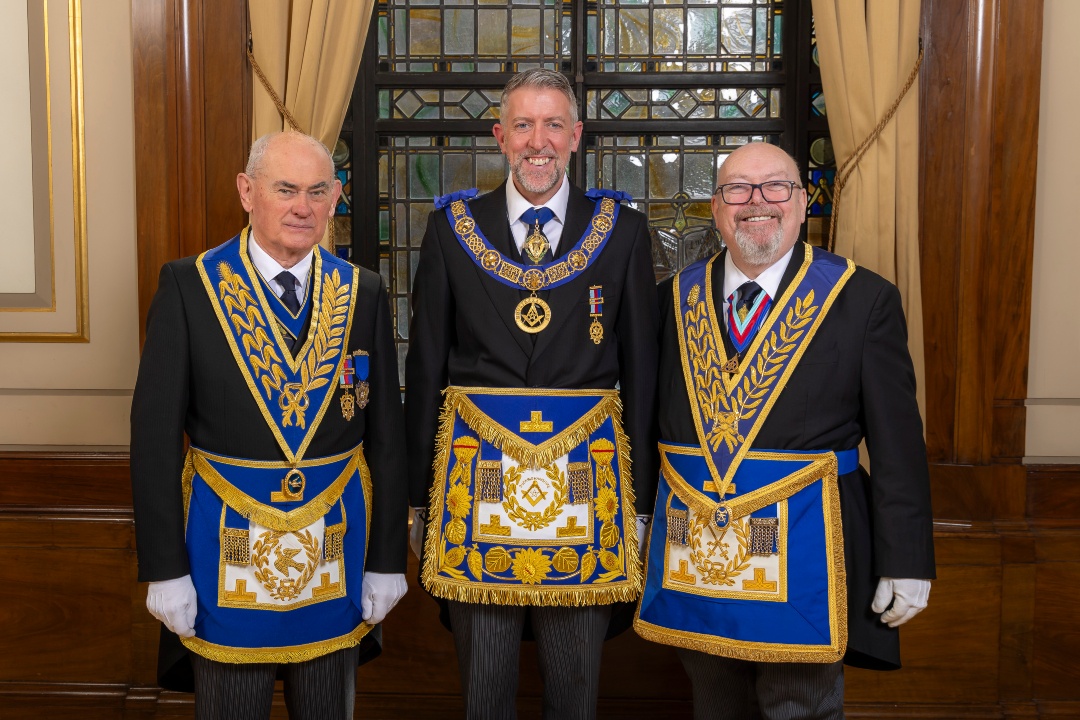
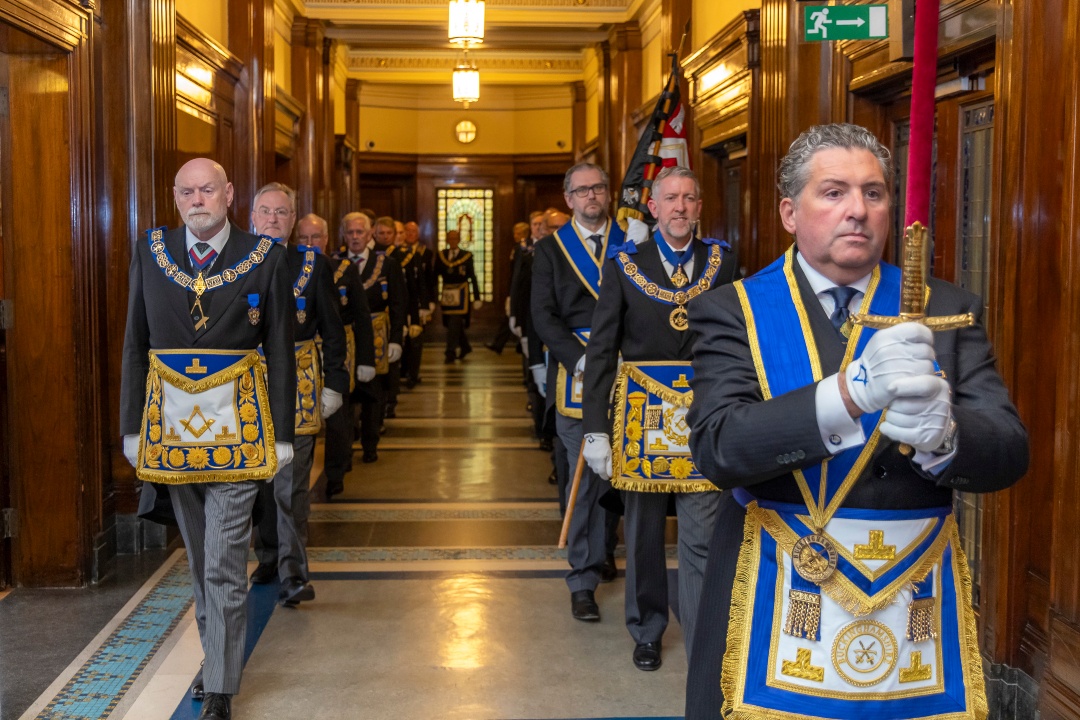
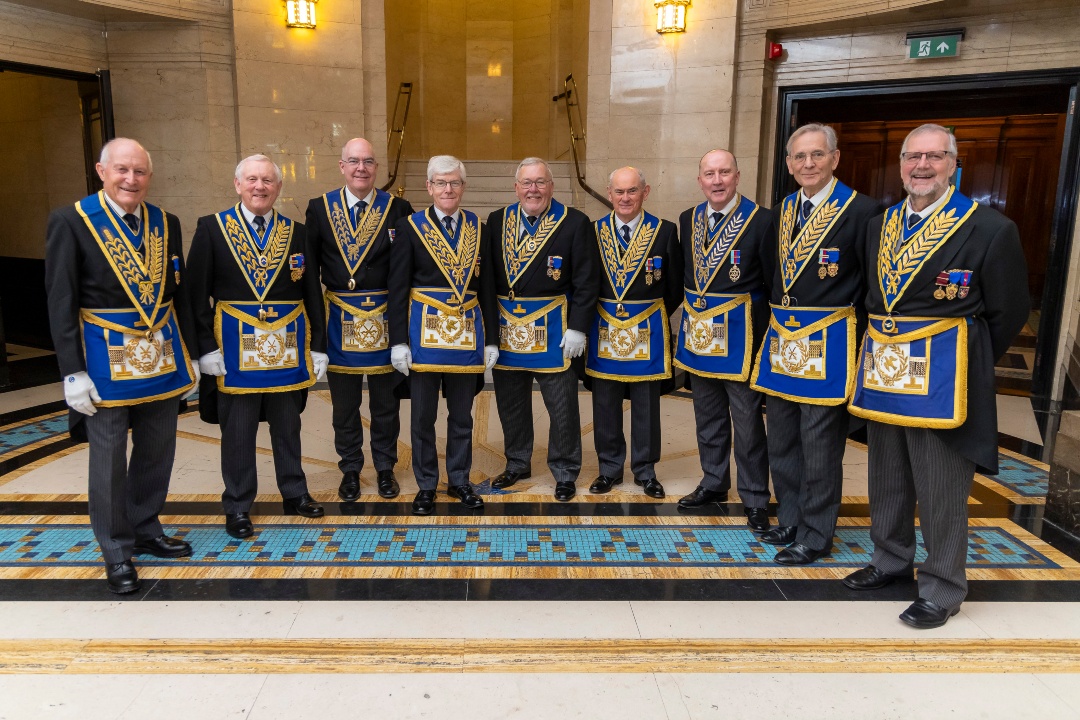
Freemasons often wear white gloves during lodge meetings and ceremonies as a symbol of purity of conduct and integrity of action. The use of gloves has historical roots in both operative stonemasonry and European social customs. In operative contexts, gloves protected the hands of craftsmen working with rough stone, while in speculative Freemasonry they became a symbolic garment representing the idea that a Mason’s actions should be clean, honest, and free from moral stain. The colour white, long associated with innocence and virtue, reinforces this symbolic meaning.

The presentation of white gloves to a candidate is a traditional feature in many Masonic jurisdictions, particularly in European and English traditions. During initiation, the gloves are sometimes explained as a reminder that a Mason’s hands should only be used for honourable and charitable purposes. In some traditions, candidates may also receive a second pair intended to be given to a woman they respect; historically described as a wife, mother, or close relative, as a gesture recognising the importance of moral support and virtue beyond the lodge.

While the exact customs vary between Grand Lodges, white gloves remain a visible and widely recognised part of Masonic attire in many parts of the world. They are typically worn with formal dress during lodge meetings and ceremonies, especially in European lodges, though their use is less common in some North American jurisdictions. Regardless of local practice, the symbolism remains consistent: the gloves serve as a reminder that Freemasonry places strong emphasis on ethical conduct, honourable labour, and the moral cleanliness of one’s deeds.

If you would like to be part of a global community that has its roots firmly in the ground in Buckinghamshire, please join us by following this link: https://buckspgl.org/join
Monday Morning Masonic Facts - pt9

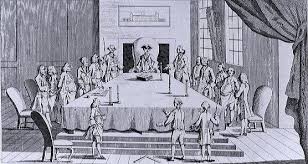
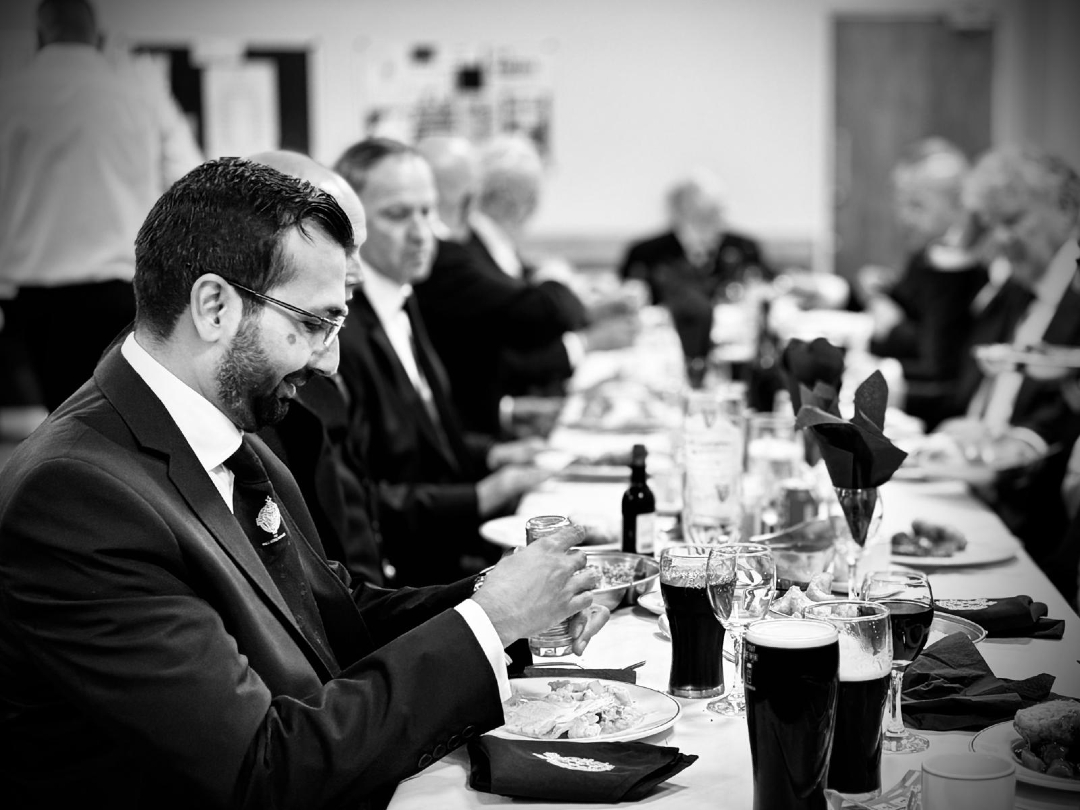
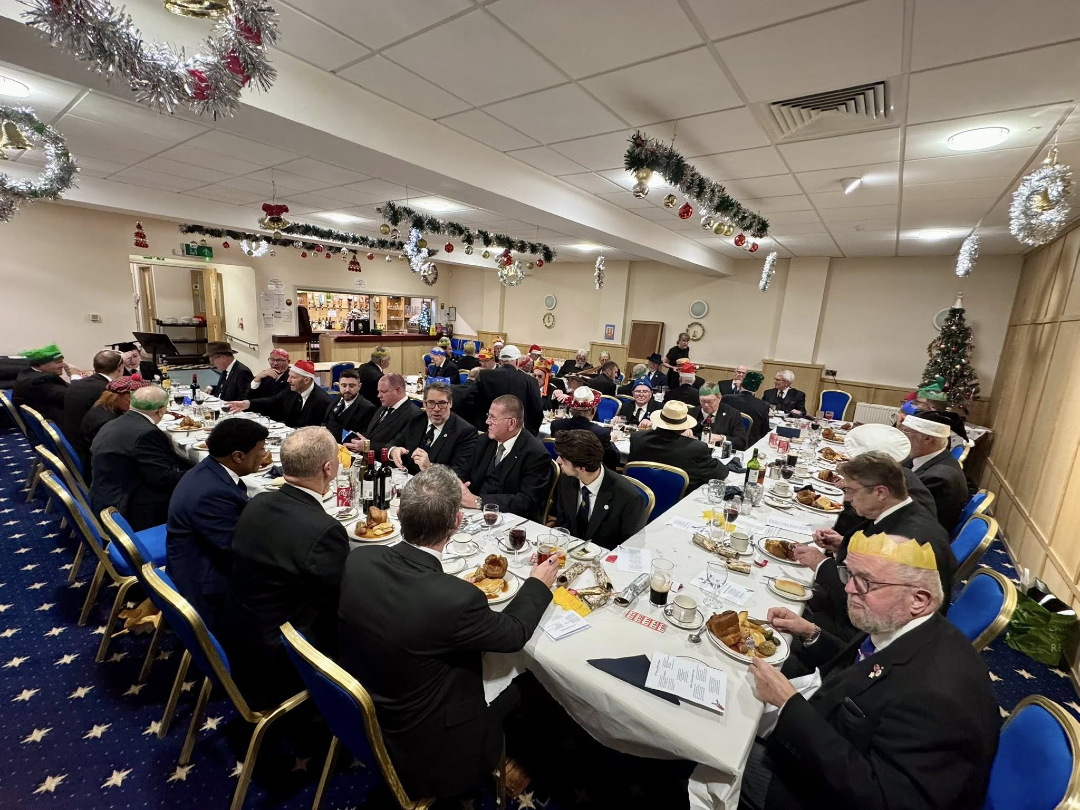
Feasting has long been an important social and ceremonial element within Freemasonry, rooted in the convivial traditions of medieval and early modern craft guilds from which the fraternity developed. In operative stonemasonry and early speculative lodges, shared meals helped foster fellowship, equality, and goodwill among members. Over time, this custom became formalized within Masonic culture as an integral complement to lodge meetings and ceremonies, reinforcing bonds of fraternity beyond the ritual work itself.

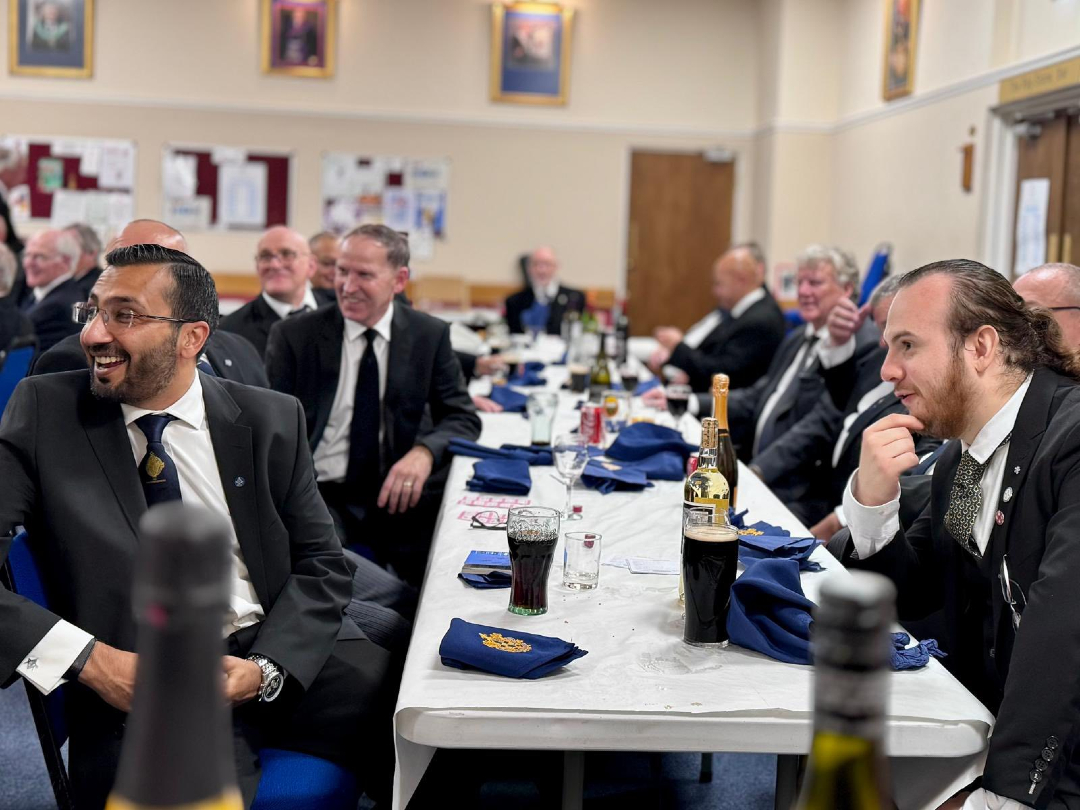
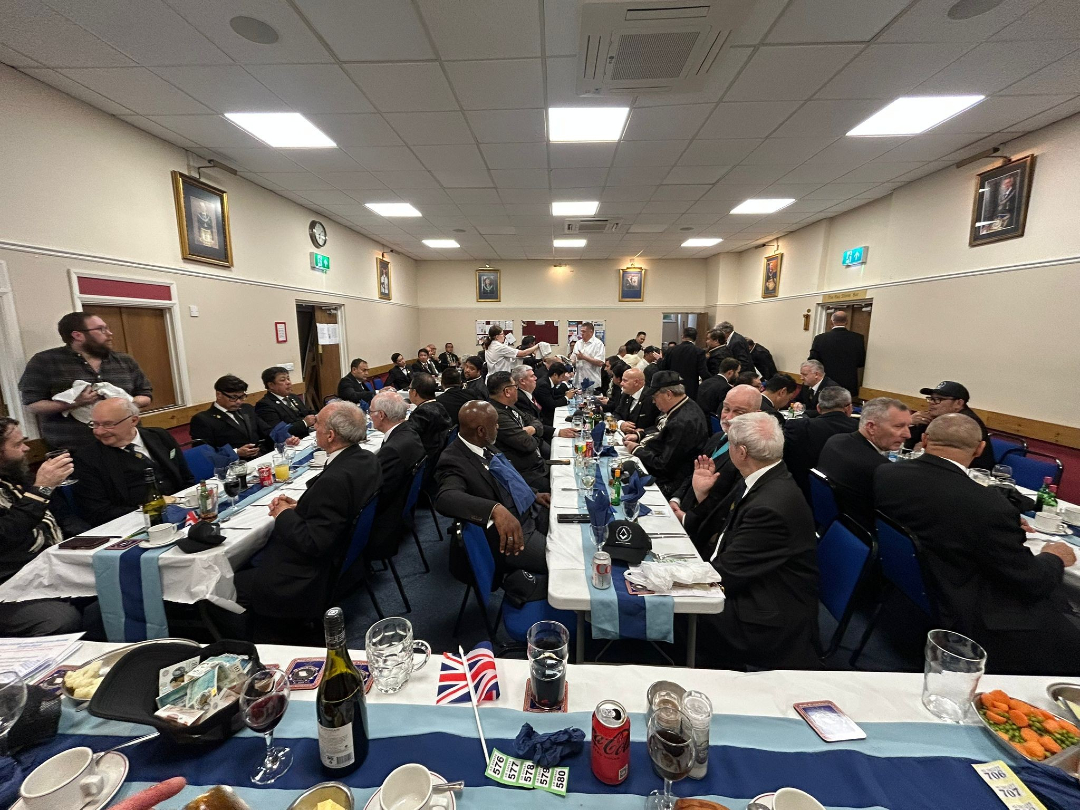
The meal traditionally associated with a lodge meeting is known in many English-speaking jurisdictions as the Festive Board, and in England it is most commonly held after the ceremony or lodge meeting rather than before. The Festive Board is not merely a casual dinner but a structured social occasion, often following a set order and etiquette. In English practice in particular, the Festive Board developed into a formalised continuation of the evening or afternoon, reflecting the strong emphasis placed on decorum, tradition, and communal harmony within lodge life.

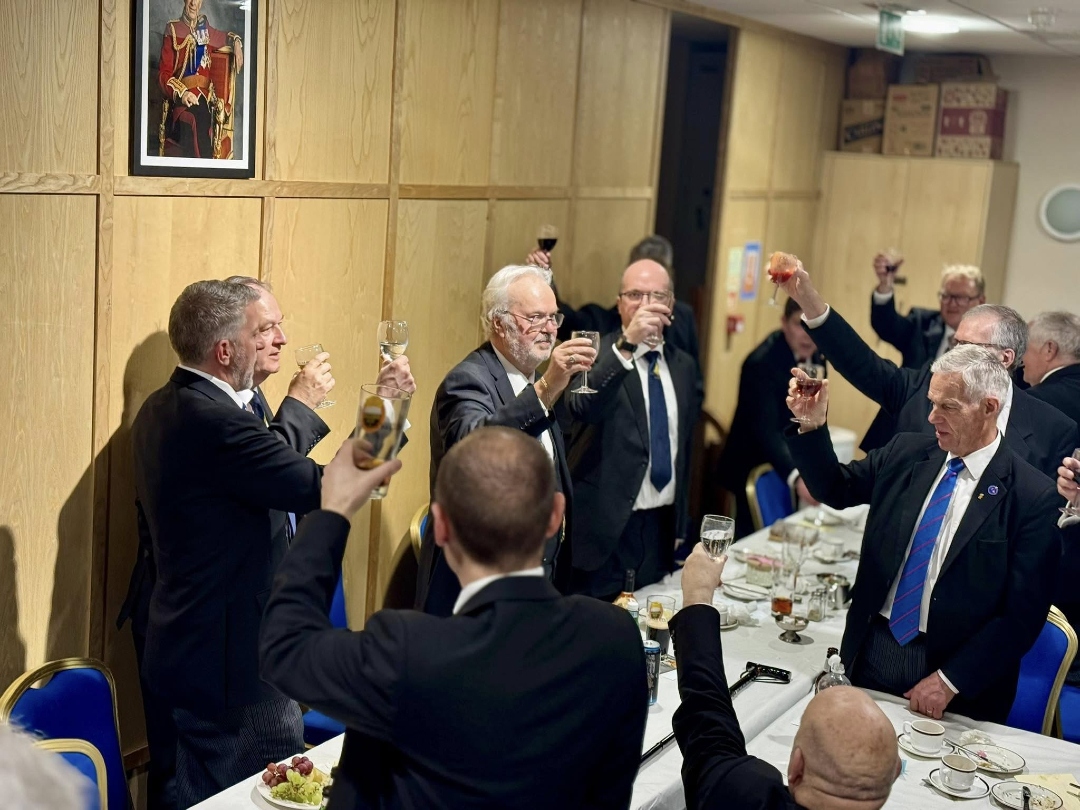
A traditional Festive Board typically consists of a meal of multiple courses, accompanied by formal toasts and, in some lodges, songs or musical responses. The toasts are made to figures and principles important within Freemasonry, such as the monarch, the Grand Lodge, visiting brethren, and absent members, and are intended to express loyalty, gratitude, and goodwill. While modern lodges may simplify the format to suit contemporary lifestyles, the Festive Board remains a meaningful expression of Masonic fellowship, where ritual formality gives way to relaxed companionship, conversation, and shared celebration.

If you would like to be part of a global community that has its roots firmly in the ground in Buckinghamshire, please join us by following this link: https://buckspgl.org/join
Monday Morning Masonic Facts - pt8

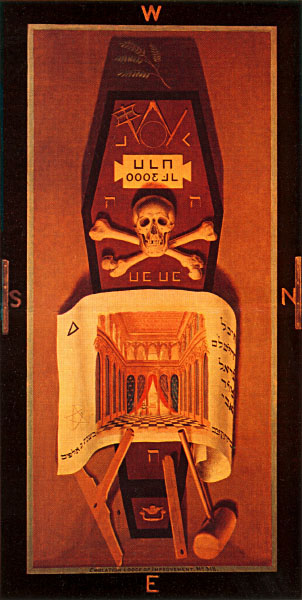
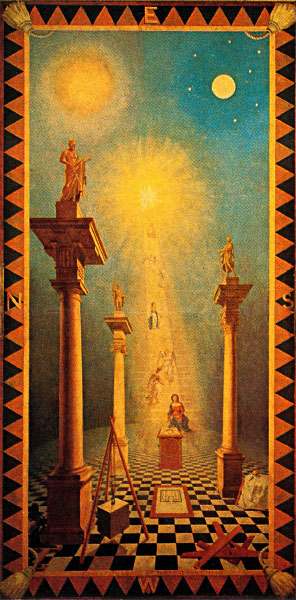
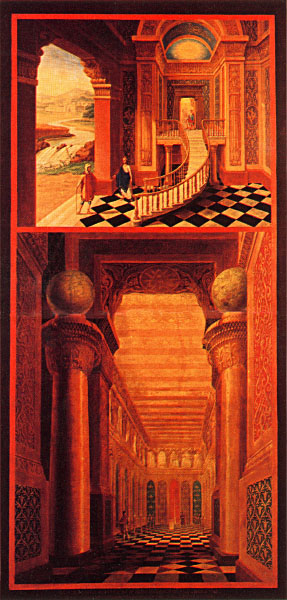
Freemason Tracing Boards are symbolic illustrated designs used in lodge rooms to visually represent the key themes, symbols, and lessons of a particular Masonic degree. Historically, these designs were first drawn on the floor of the lodge room in chalk or charcoal and erased after the ceremony, but over time they evolved into painted or printed boards for convenience and preservation. Each degree has its own tracing board, and the images act as a visual aid to help candidates and members better understand the allegorical teachings conveyed during the ritual.

An accompanying lecture is traditionally delivered to explain the various elements depicted on the tracing board and how they relate to the ceremony. This lecture interprets the symbols in moral and philosophical terms, using allegory to communicate ideas about personal development, duty, integrity, and the pursuit of knowledge. Many of these symbolic narratives draw on stories and imagery from the Hebrew Bible (often called the Old Testament), particularly the building of King Solomon’s Temple, which serves as a central allegorical framework in Freemasonry. However, the lessons are intended to be universal and ethical rather than doctrinal or sectarian.

While tracing boards are most strongly associated with British and Commonwealth Masonic traditions, their use and style vary by jurisdiction. Different artistic schools, such as the well-known designs popularised in the 18th and 19th centuries, emphasise different visual motifs and levels of complexity. In modern lodges, tracing boards remain an important teaching tool, helping to connect spoken ritual with visual symbolism and reinforcing the moral and philosophical lessons imparted to candidates at each stage of their Masonic journey.

If you would like to be part of a global community that has its roots firmly in the ground in Buckinghamshire, please join us by following this link: https://buckspgl.org/join
Monday Morning Masonic Facts - pt7

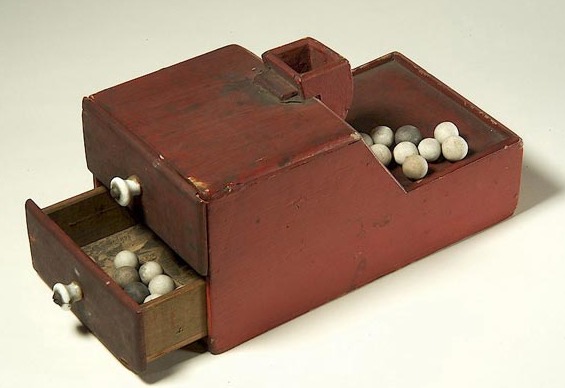
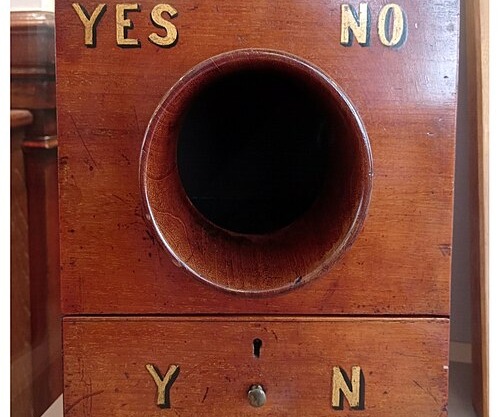
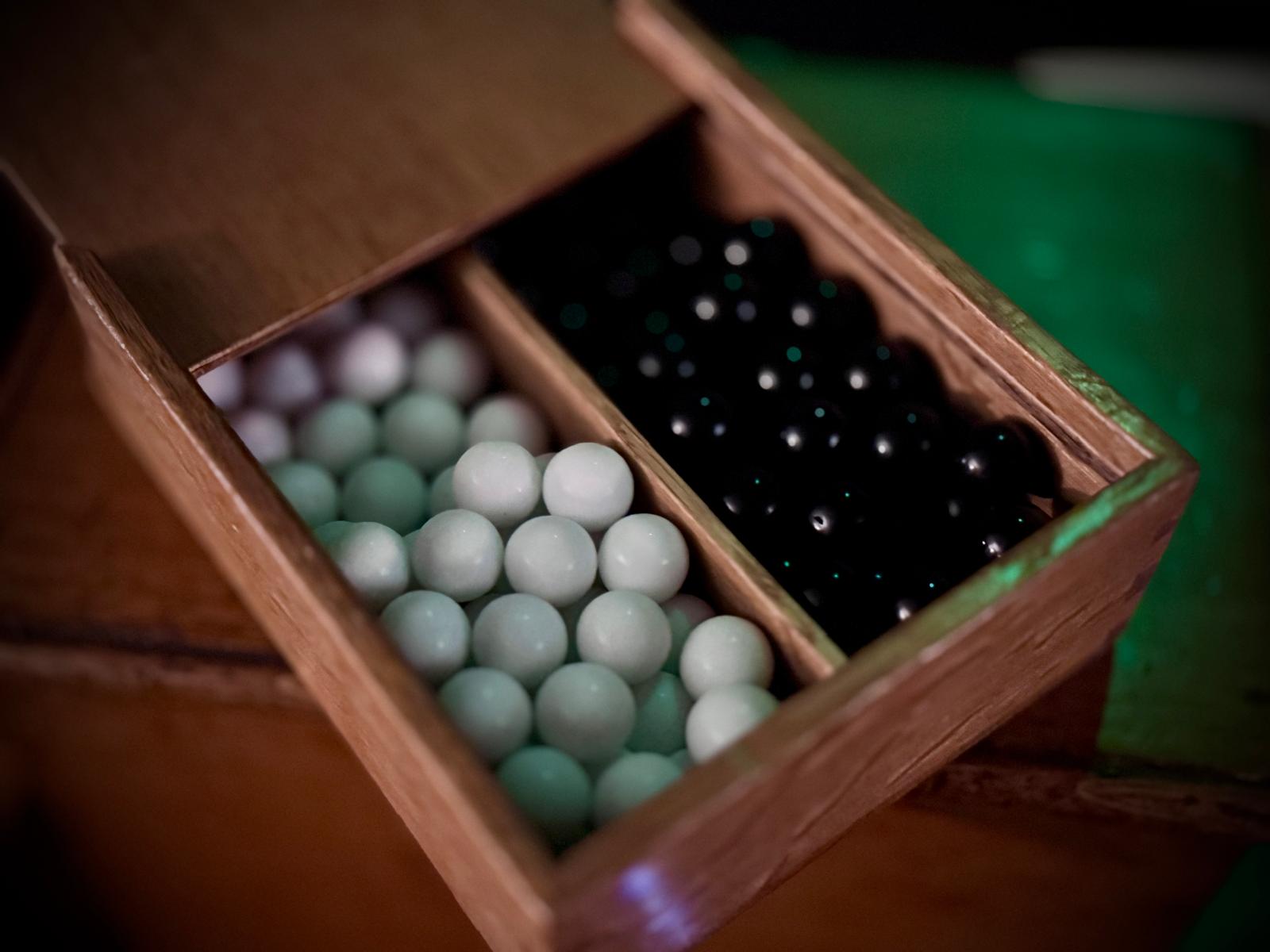
Masonic lodges are traditionally democratic in their internal governance, with decisions made collectively by the members rather than imposed by authority. One of the most distinctive methods used for certain decisions—particularly the admission of new candidates—is the secret ballot. This ballot commonly employs two contrasting tokens, historically white and black balls (or sometimes cubes), placed into a ballot box by each voting member. A white ball signifies approval, while a black ball signifies objection, allowing members to vote freely and without fear of reprisal.

In many Masonic jurisdictions, especially those following older traditions, the ballot for a candidate must be unanimous for acceptance, meaning that a single black ball is sufficient to prevent admission. This practice reflects Freemasonry’s emphasis on harmony within the lodge, ensuring that no member is compelled to associate closely with someone they find unsuitable. From this custom comes the widely used terms “blackballed” and “blackballing,” which entered general English usage to describe exclusion from a group through an anonymous negative vote.

While the terminology remains well known, the act of blackballing a candidate has become relatively rare in modern Freemasonry. Contemporary lodges place strong emphasis on careful vetting, open discussion, and character assessment before a name ever reaches the ballot, reducing the likelihood of surprise objections. As a result, the black ball today functions more as a safeguard of last resort than a routine tool of exclusion, preserving both the democratic nature of lodge decision-making and the fraternity’s commitment to mutual respect and harmony.

If you would like to be part of a global community that has its roots firmly in the ground in Buckinghamshire, please join us by following this link: https://buckspgl.org/join
Monday Morning Masonic Facts - pt6

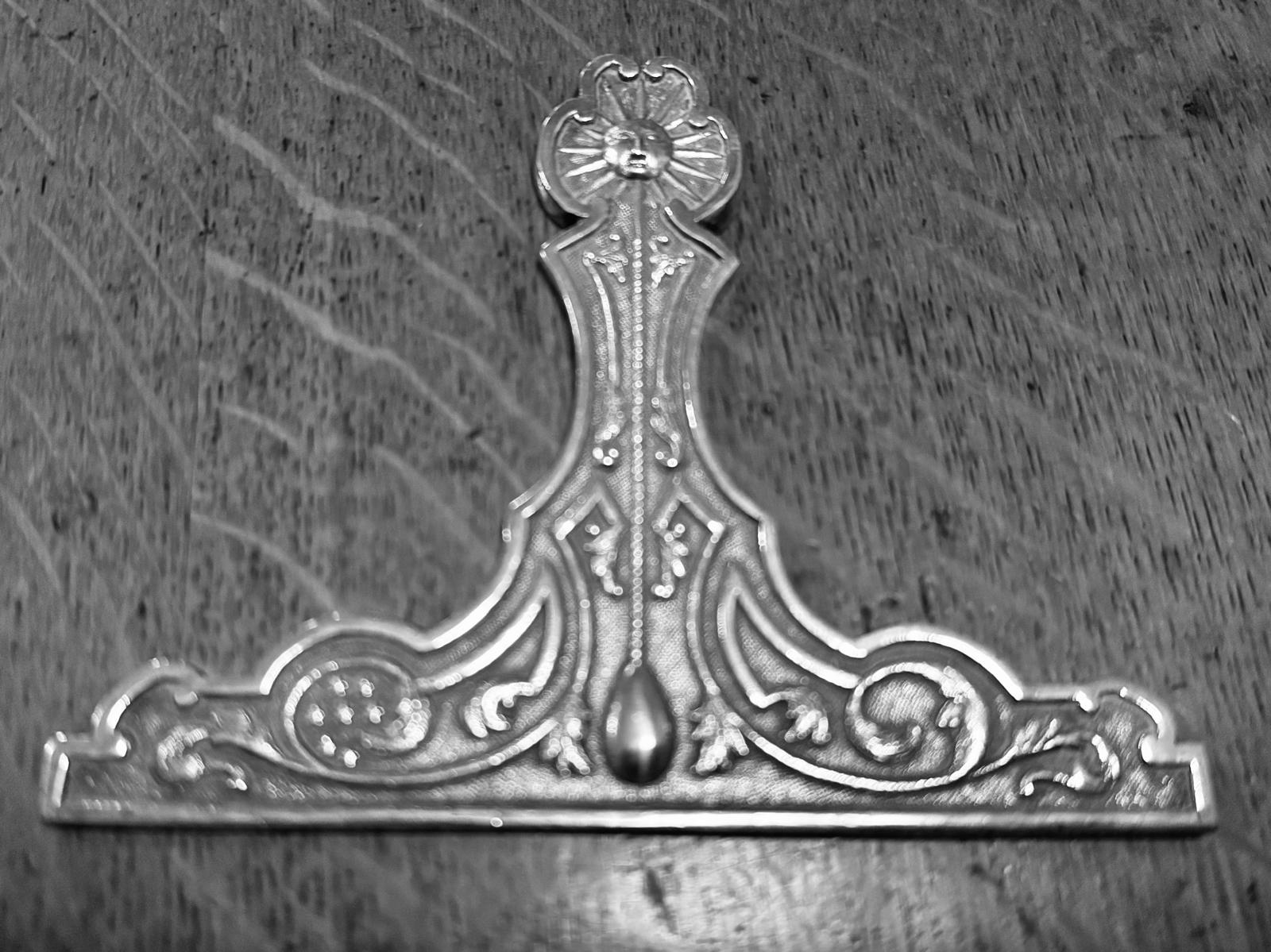
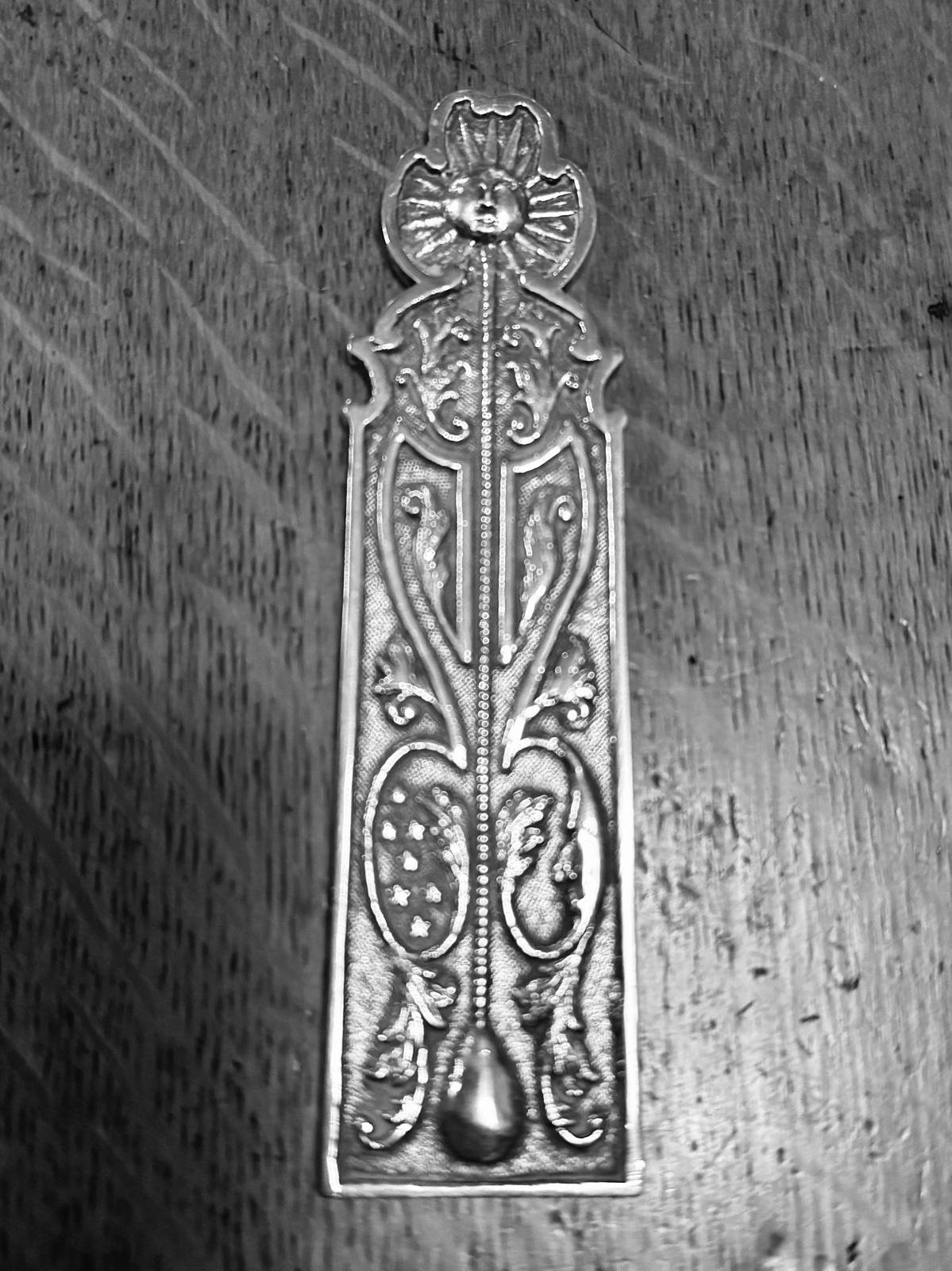
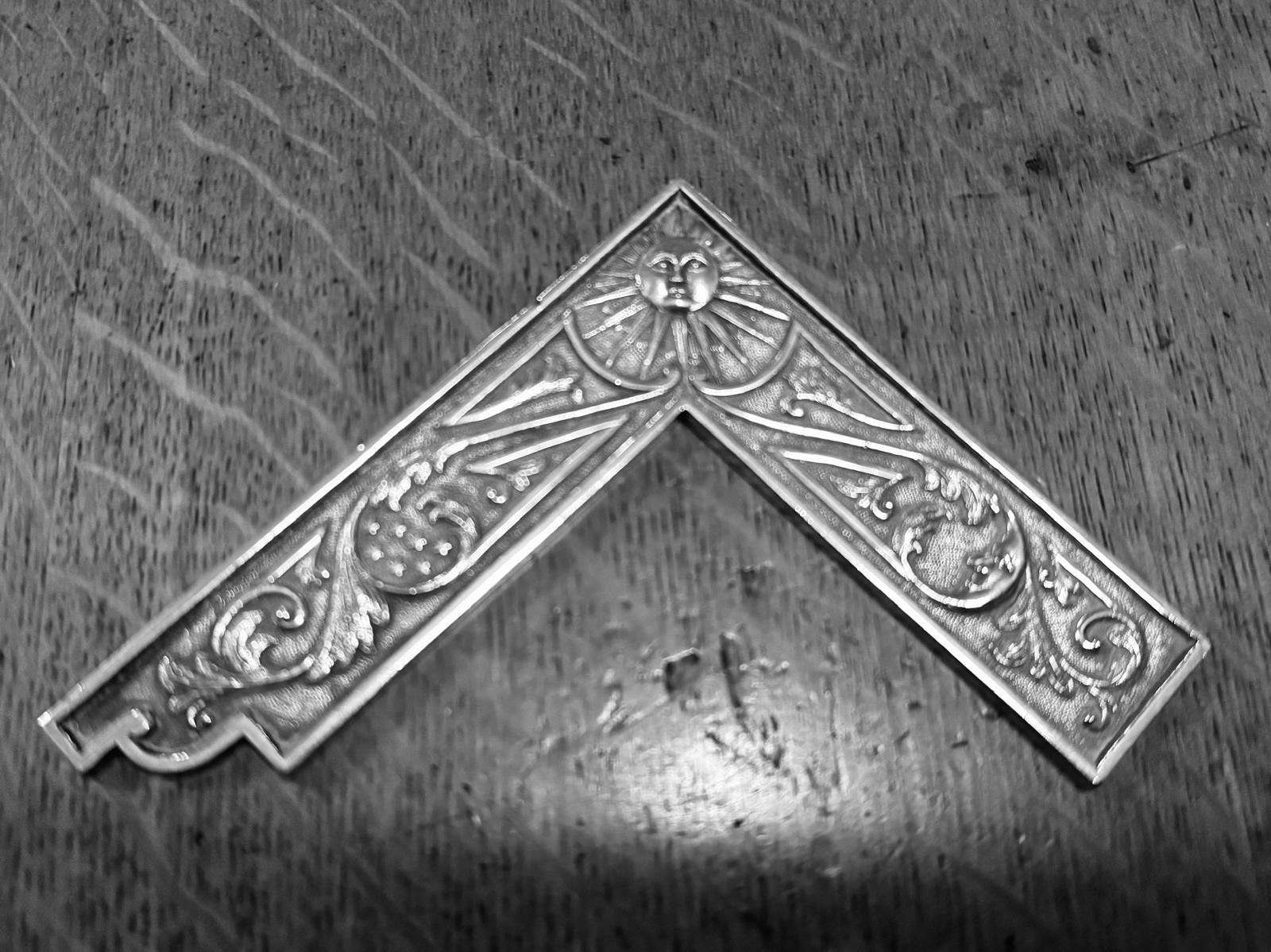
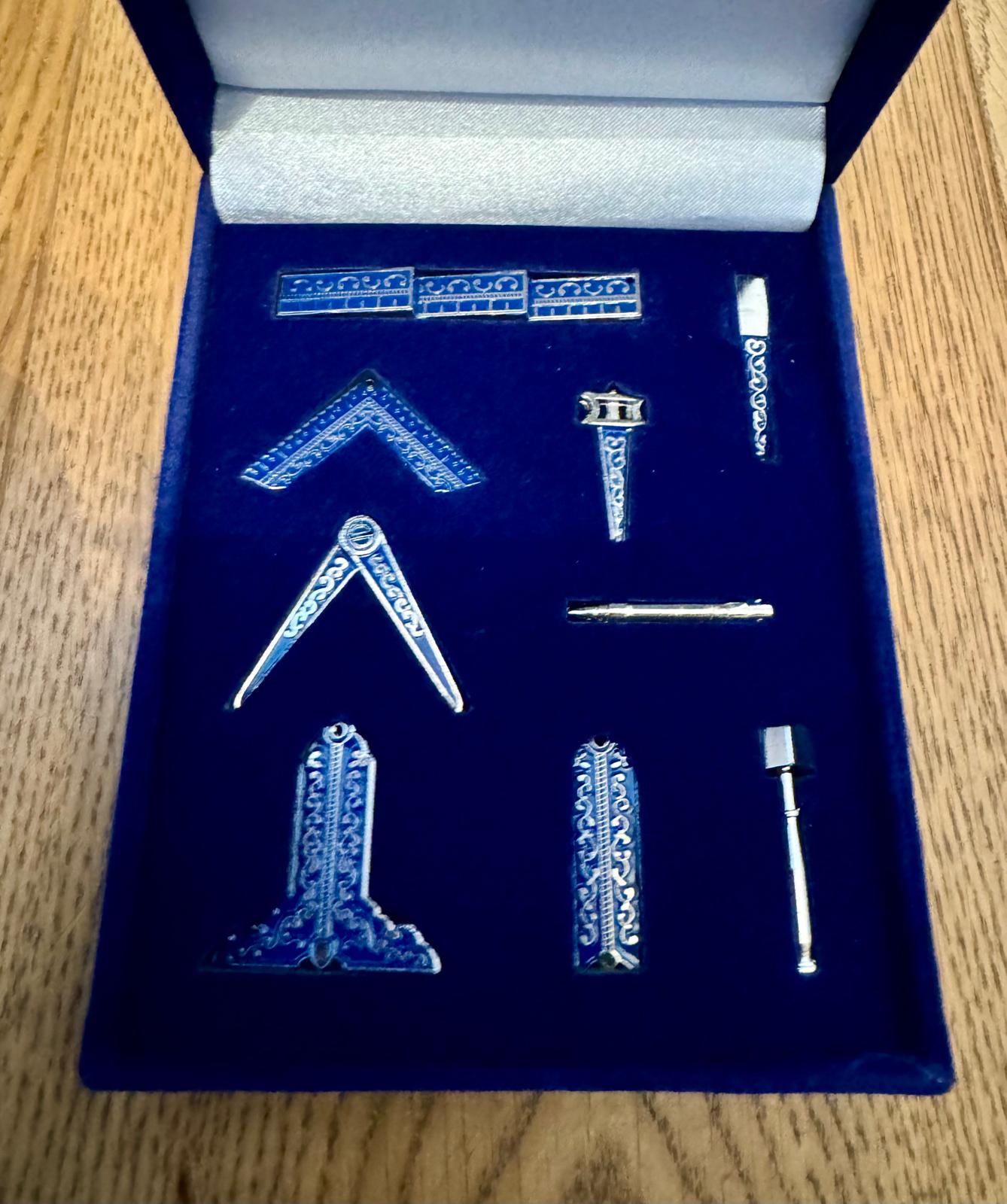
The Working Tools of a Freemason are symbolic instruments derived from the tools of operative stonemasons and are used to teach moral and ethical lessons. Rather than serving a literal function, these tools represent the qualities, disciplines, and behaviours expected of a Mason as he seeks to improve himself. Through symbolism, Freemasonry presents the idea that just as a craftsman shapes rough stone into a perfect ashlar, an individual can refine their character through reflection, self-control, and virtuous conduct.

Each degree in Freemasonry has its own set of Working Tools, and their meanings are explained to the candidate at the time of initiation or advancement. For example, in the Entered Apprentice degree, tools such as the twenty-four inch gauge and the common gavel are used to illustrate the proper use of time and the need to divest oneself of moral imperfections. As a Mason progresses through the degrees, additional tools are introduced, each reinforcing more advanced lessons about responsibility, integrity, equality, and balance in one’s personal and social life.

The concept of the “perfect workman” in Freemasonry does not imply flawlessness, but rather a continual commitment to self-improvement. The Working Tools serve as enduring reminders that moral growth is an ongoing process, shaped by discipline, education, and conscious effort. By imparting these lessons gradually across the degrees, Freemasonry emphasizes that character is built over time, through practice and reflection, much like the careful and deliberate labour of the stonemason shaping a stone for its place in the structure.

If you would like to be part of a global community that has its roots firmly in the ground in Buckinghamshire, please join us by following this link: https://buckspgl.org/join
Monday Morning Masonic Facts - pt5

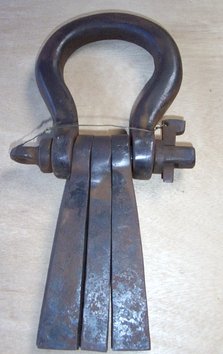
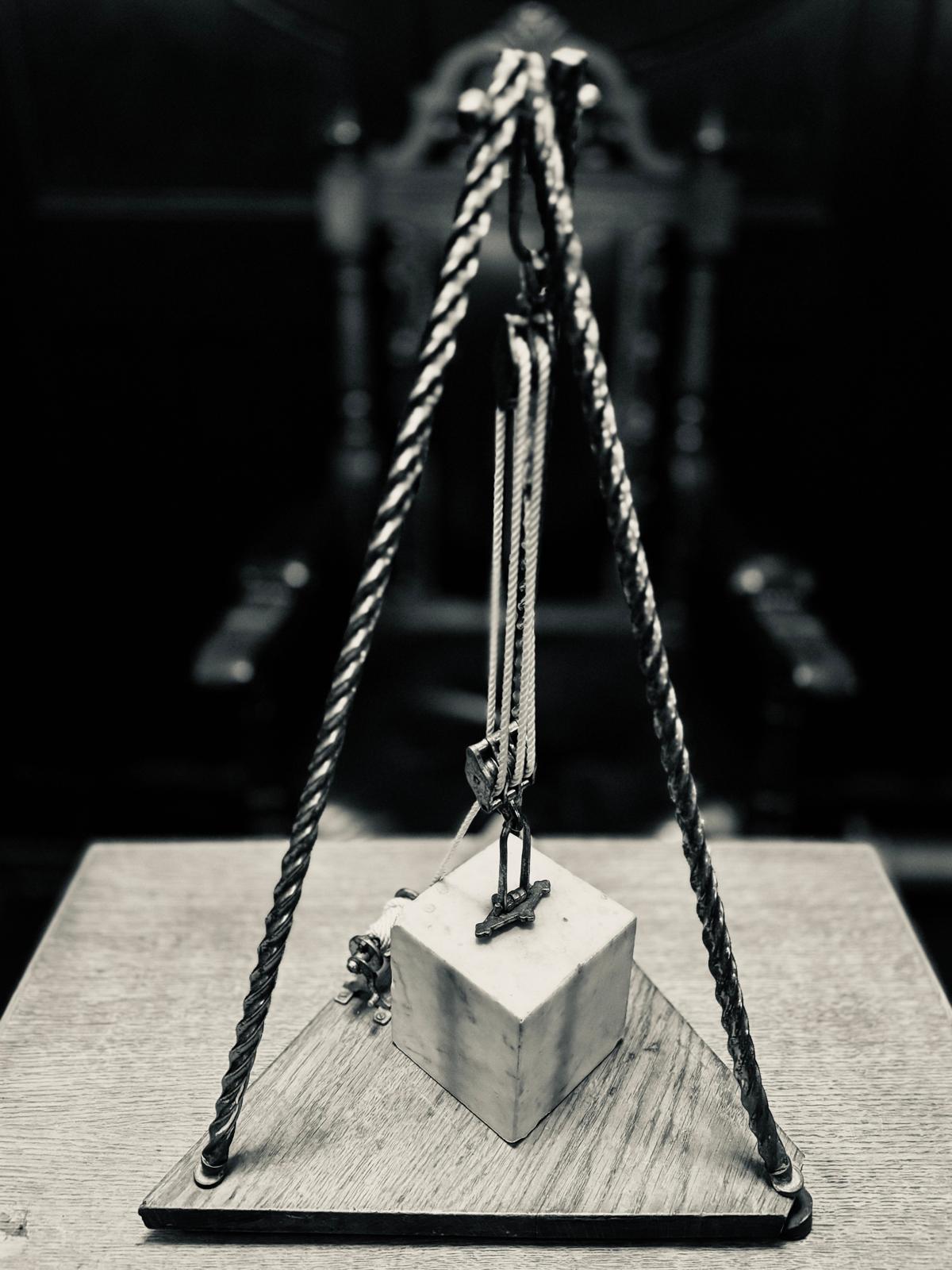
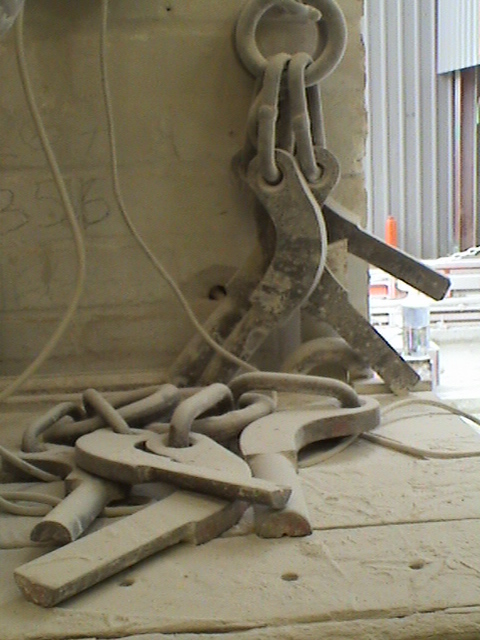
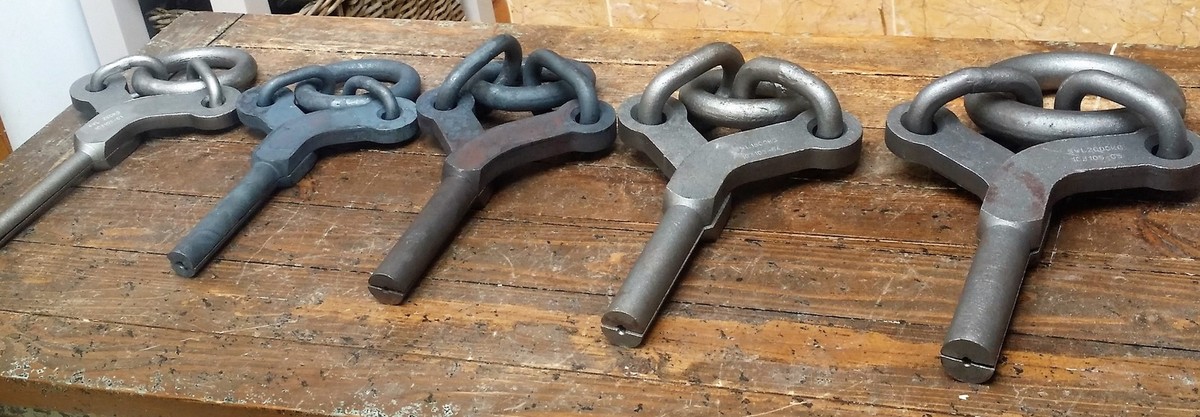
In Freemasonry, a Lewis is traditionally defined as the son of a Freemason. The term originates from operative stonemasonry, where a Lewis is a metal lifting device used to raise heavy blocks of stone by fitting into a specially cut cavity. When Freemasonry transitioned from an operative craft to a speculative and symbolic fraternity, many of its tools and practices were retained as allegories, and the Lewis became one such symbol.

Symbolically, the Lewis represents strength, support, and continuity. Just as the Lewis enables a mason to lift and position heavy stones, the son of a Mason was metaphorically seen as one who would support his father later in life, particularly in old age. This reflects the historical reality that, before modern social systems, parents often relied on their children for care and stability. The symbolism therefore reinforces ideals of familial duty, gratitude, and intergenerational responsibility within the Masonic tradition.

While the concept of a Lewis is well established in English-speaking and European Masonic jurisdictions, its practical significance varies. In some traditions, a Lewis may be permitted to be initiated at a younger age than other candidates, though this is not universal and depends on the governing Grand Lodge. Modern Freemasonry emphasises moral character and personal qualification over lineage, but the symbolism of the Lewis remains an enduring reminder of the fraternity’s roots in stonemasonry and its broader values of support, continuity, and care across generations.

If you would like to be part of a global community that has its roots firmly in the ground in Buckinghamshire, please join us by following this link: https://buckspgl.org/join
Monday Morning Masonic Facts - pt4

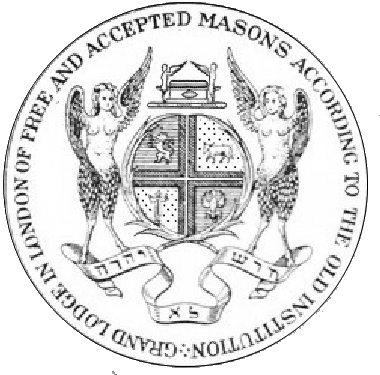
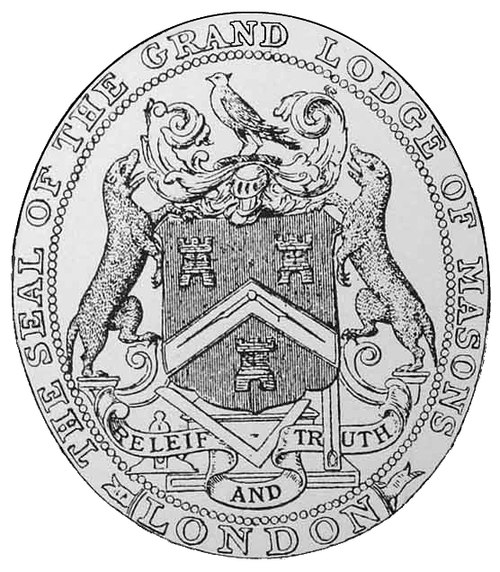
A Rival English Grand Lodge Called the “Ancients” Existed:
In 1751, Irish-influenced lodges in London formed a rival Grand Lodge known as the “Ancients,” claiming the original Grand Lodge had drifted from traditional practices. For over 60 years, England had two competing systems of Freemasonry, each convinced it preserved the “true” Craft.

If you would like to be part of a global community that has its roots firmly in the ground in Buckinghamshire, please join us by following this link: https://buckspgl.org/join
Monday Morning Masonic Facts - pt3

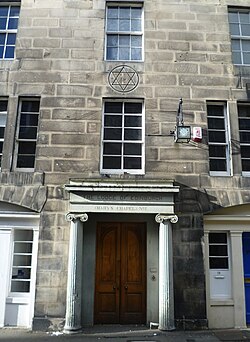
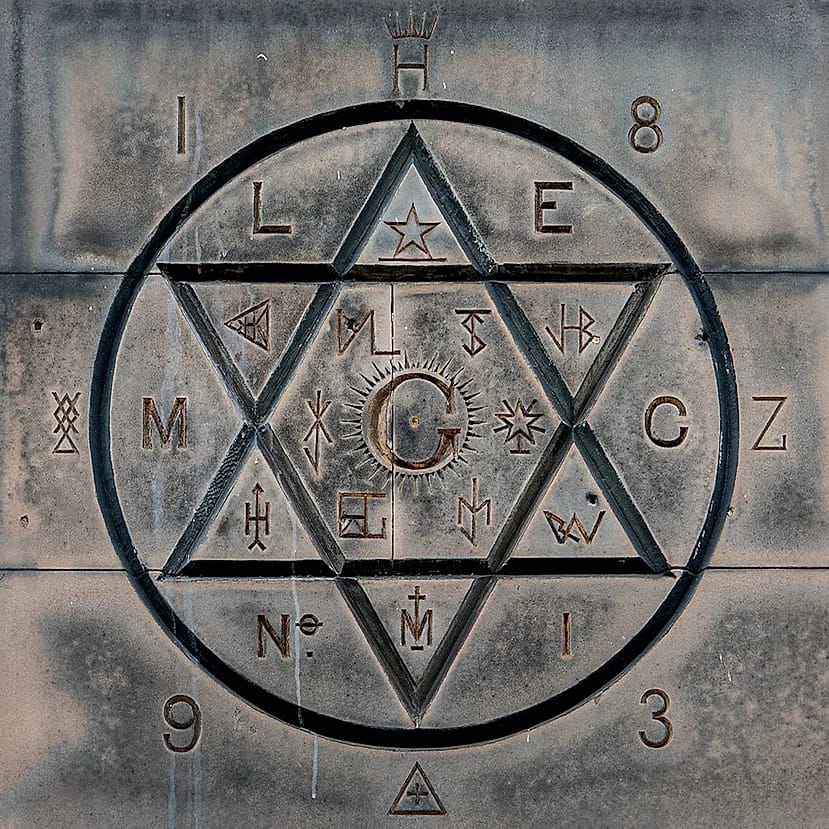
The Lodge of Edinburgh (Mary's Chapel), No. 1 in Scotland is widely recognized as having the oldest, continuously used, and documented lodge records in the world, dating back to 31 July 1599.

If you would like to be part of a global community that has its roots firmly in the ground in Buckinghamshire, please join us by following this link: https://buckspgl.org/join